







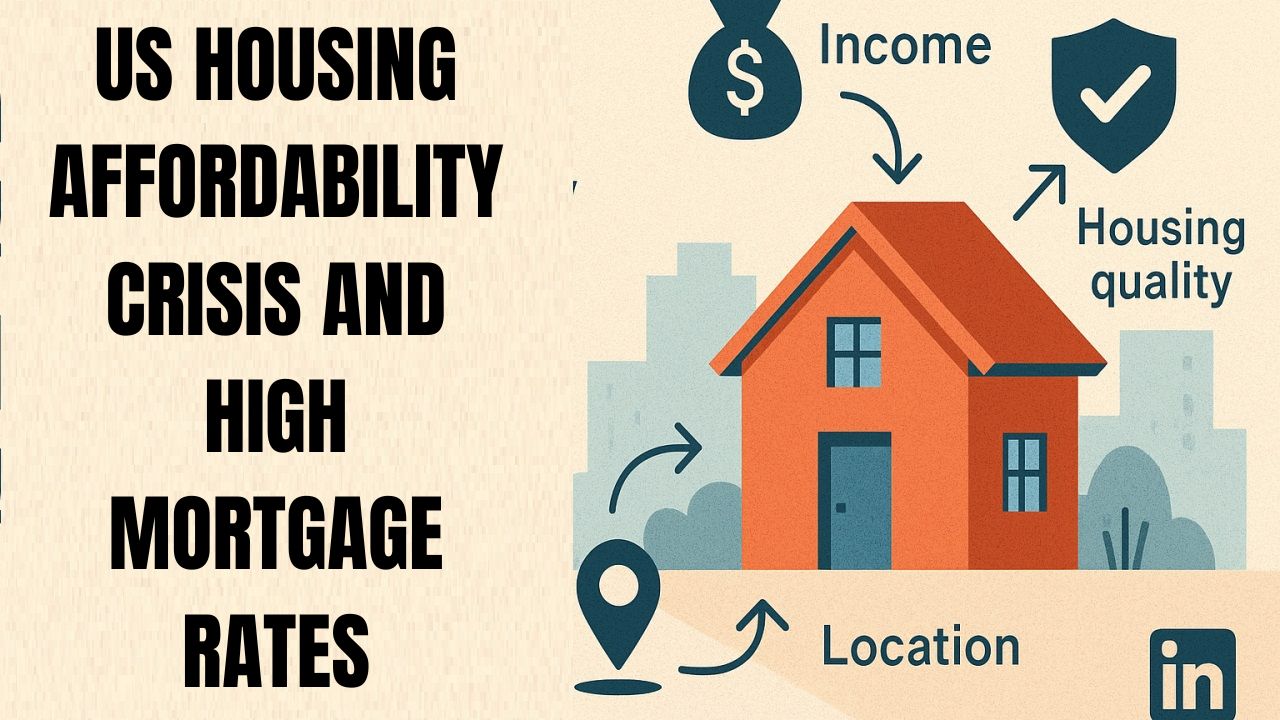
High mortgage rates near 6.15% squeeze first-time buyers out of the market. Their share dropped to a record low of 21% in 2025, the lowest since tracking began. This affordability crisis makes homeownership tough, but smart strategies exist.
The Current Housing Affordability Crisis
Mortgage rates hover around 6.15% for 30-year fixed loans as of January 2026. This uptick from last week adds pressure on buyers. The National Association of Realtors reports first-time buyers now make up just 21% of purchases, down from 32% in 2023.
Median home prices hit $427,800 in mid-2025, far above 2021 levels. Families need $126,700 yearly income to afford payments on a typical home. The housing affordability index sits at 106.20 in October 2025, showing slight improvement but still strained conditions.
First-time buyers average 40 years old now, a record high. Low inventory keeps prices elevated despite weak demand. Builders cut new home sizes to 2,150 square feet, the third straight year of decline.
Why Mortgage Rates Stay High
The Federal Reserve fights inflation, keeping rates steady. Rates rose from 6.136% a week ago to 6.154% today. Jumbo loans sit at 6.425%, FHA at lower but still high levels.
Experts say low supply and slow construction prop up prices. Buyers wait for rate drops that may not come soon. Economic uncertainty adds hesitation.
Compare rates across loan types:
| Loan Type | Current Rate | One Week Ago |
|---|---|---|
| 30-Year Fixed | 6.154% | 6.136% |
| 15-Year Fixed | 5.398% | 5.445% |
| 30-Year Jumbo | 6.425% | 6.489% |
| USDA | 5.980% | 5.911% |
Impact on First-Time Buyers
First-time buyers face the worst squeeze. Their market share halved since 2007. Many rent longer, building less wealth over time.
Sarah, a 35-year-old teacher from Texas, saved for years. At 6.15% rates, her dream home’s payment jumped 30%. She delayed buying, like millions others. This story repeats nationwide.
Affordability demands high incomes few young buyers have. Low supply means bidding wars persist.


Strategies to Navigate High Mortgage Rates
Boost your odds with these steps.
- Improve credit score. Pay bills on time. Dispute errors. A higher score unlocks better rates.
- Save bigger down payment. Aim for 20% to cut loan size and avoid PMI.
- Shop lenders widely. Compare rates; a 0.25% drop saves thousands.
- Buy mortgage points. One point (1% of loan) lowers rate by 0.25%. On $350,000 loan, $3,500 buys lasting savings.
- Time your purchase. Watch for rate dips or seasonal price drops.
Use a realtor for market insights and negotiations. Budget wisely to avoid overextending.
Creative Financing Options Explained
Go beyond traditional loans.
Government-Backed Loans
FHA needs just 3.5% down, ideal for credit-challenged buyers. VA offers 0% down for veterans. USDA suits rural areas with low rates around 6.625%.
Seller Financing
Seller acts as lender. Buyers pay monthly directly, skipping bank hurdles. Less strict credit checks apply. Pros: Flexible terms. Cons: Higher interest possible.
Assumable Mortgages
Take over seller’s low-rate loan, often 2-4% below new rates. VA and FHA allow this. Example: Assume 2.5% vs. 7.5% new VA loan saves $2,300 monthly on $500k home.
Rent-to-Own Models Demystified
Rent-to-own builds equity while renting. Pay option fee (1-5% of price) for future buy right. Part of rent credits toward down payment.
Pros
Cons
Example: Rent $2,000/month on $400k home. $300 credits purchase. After 3 years, $10,800 saved plus option fee applied. Great for credit repair.
First-Time Buyer Programs in 2026
Many qualify without recent homeownership.
Check HUD.gov for local help. These cut barriers in tough markets.
Real-Life Success Stories
Meet Mike, a veteran. He assumed a 3% VA loan, slashing payments by 40%. Now owns in Florida affordably.
Lisa used rent-to-own in Ohio. Repaired credit, bought at locked price despite rises. Stories like theirs inspire.
Summery
- Mortgage rates at 6.15% fuel crisis, but rates vary by loan type.
- First-time share at 21% historic low; act with strategies.
- Creative options like assumables, seller finance, rent-to-own open doors.
- Improve credit, save down, shop smart for wins.
- Programs aid many; research fits your situation.
FAQ
1. What are current US mortgage rates?
Around 6.154% for 30-year fixed as of Jan 7, 2026.
2. How low is first-time buyer share?
Historic 21% in 2025, per NAR.
3. Is rent-to-own worth it?
Yes for credit building, but watch fees and premium rent.
4. Can I assume a mortgage?
Yes, on VA/FHA; saves big on rates.
5. What programs help buyers?
FHA, VA, USDA, state grants for first-timers.
Disclaimer: This article offers general info, not financial advice. Consult professionals for personal situations. Rates and programs change; verify latest data.
Ready to tackle the housing affordability crisis? Explore creative financing today and take your first step to homeownership. Contact a lender or realtor now!


